In a surprising turn of events, King Charles III’s recent trip to Australia has become a focal point of intense media scrutiny and speculation surrounding the dynamics within the royal family. The visit, initially intended to bolster ties with Australia and showcase the monarchy’s commitment to its Commonwealth realms, took on an unexpected urgency as reports emerged that Charles was seeking to reunite with his third son, Prince Harry.
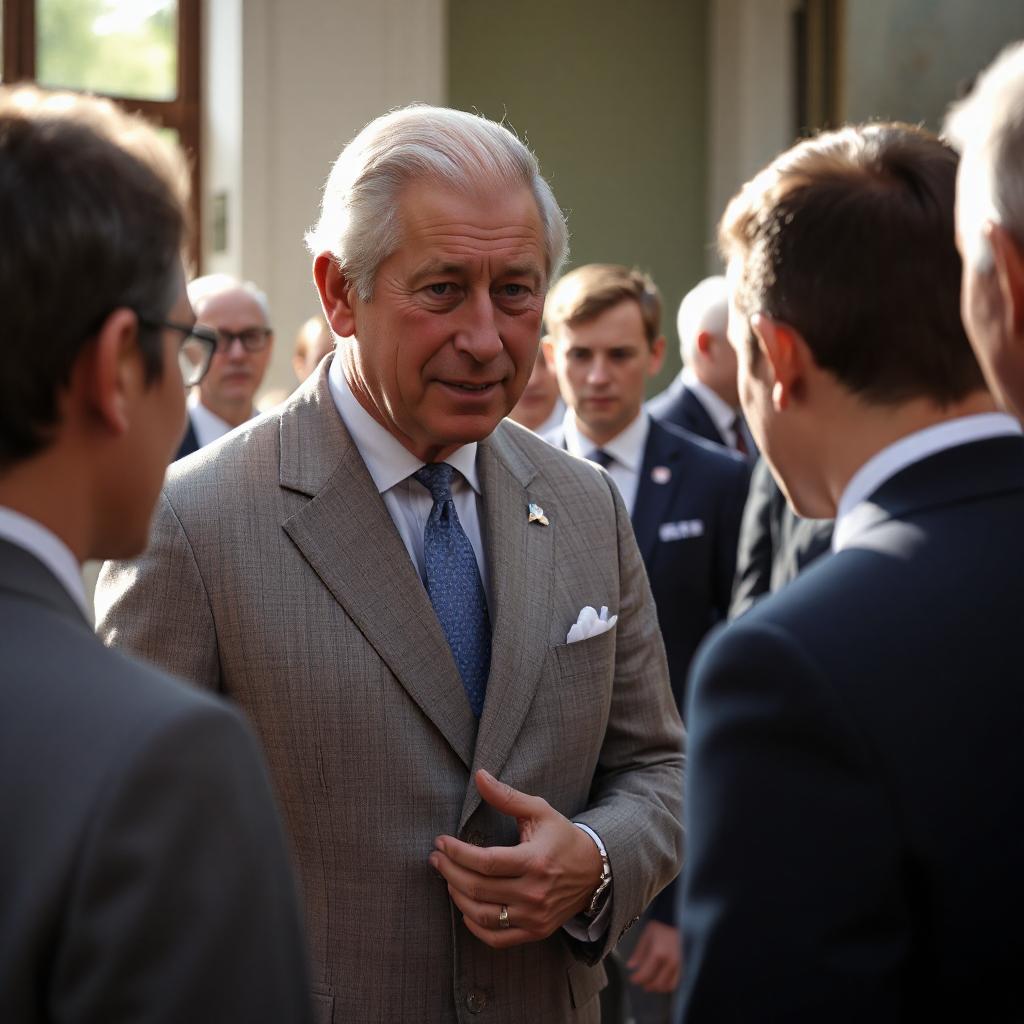
This development comes amid ongoing tensions between Harry and the royal family, particularly following his decision to step back from royal duties in early 2020. Since moving to the United States with his wife, Meghan Markle, Harry has often expressed feelings of isolation and estrangement from his family. The rift has been widely covered in the media, with numerous reports detailing the complexities of their relationships. As King Charles embarked on his journey to Australia, it became clear that this trip was more than just a diplomatic mission; it was an opportunity to bridge the growing divide between father and son.
However, Harry’s immediate response to his father’s travels was unexpected. Fearing for the stability of the monarchy and his place within it, he made the drastic decision to return to the UK that very night. This reaction underscores the deep-rooted anxieties Harry harbors regarding his role in the royal family, especially given the public narrative that often paints him as sidelined and overshadowed by his brother, Prince William. The prospect of his father engaging with the Commonwealth without him heightened his concerns, prompting the urgency of his return.
As the news unfolded, public interest surged. Many wondered what this meant for the future of the royal family. Would this trip lead to a reconciliation between Harry and Charles, or would it deepen the existing rifts? Social media buzzed with speculation, as royal watchers and fans alike anticipated a potential meeting between father and son that could reshape their relationship.
Moreover, King Charles’s intentions were viewed through the lens of his desire to modernize the monarchy. By reaching out to Harry, he appeared to acknowledge the importance of family ties and the necessity of unity within the royal household. His willingness to reconnect with Harry during this high-profile visit suggested a desire to heal familial wounds and reaffirm the bonds that have been tested in recent years.
Harry’s return to the UK also reignited discussions about the pressures faced by the younger generation of royals. The constant scrutiny from the media and the public creates an environment fraught with anxiety and expectation. For Harry, the fear of losing his place in a rapidly changing royal landscape looms large. His actions reflect a struggle to navigate personal desires and the weight of familial duty.
As King Charles continued his engagements in Australia, the world watched closely, awaiting updates on any developments between him and Harry. The situation highlighted the complexities of royal life in the modern age, where personal relationships are often played out in the public eye, magnifying every decision and emotion.
In conclusion, King Charles’s trip to Australia not only served diplomatic purposes but also became a backdrop for familial drama. Harry’s immediate return underscores the fragile nature of royal relationships and the pressures that come with their titles. As the royal family continues to adapt to a new era, the hope for reconciliation and understanding remains vital, with Charles’s journey serving as a potential turning point in their ongoing narrative.