King Charles Was Never The Same After Diana Died. Here’s Why!
The tragic death of Princess Diana in 1997 was a defining moment not only for the British royal family but also for King Charles III, who was then the Prince of Wales. Diana’s passing left an indelible mark on Charles, transforming him in ways that became evident in his personal and public life. Despite their famously tumultuous marriage, her death profoundly affected him, shaping his outlook and approach to life, family, and the monarchy.
At the heart of Charles’s transformation was the overwhelming guilt and public scrutiny that followed Diana’s death. Their highly publicized separation and divorce had already painted Charles as a controversial figure in the eyes of many. When Diana tragically died in a car crash, the world’s grief quickly turned into anger and blame, with much of it directed at Charles and Camilla, his longtime love. This public backlash forced Charles to reflect deeply on his actions and the role he had played in the breakdown of his marriage.
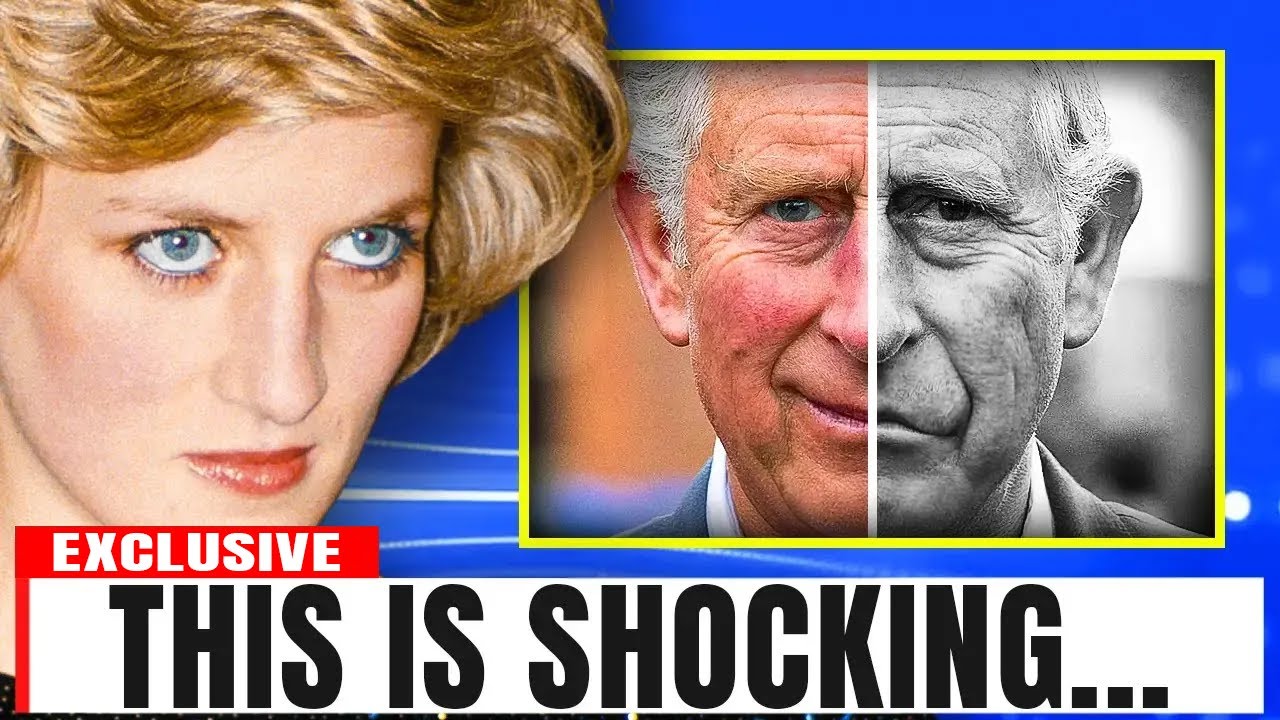
The loss of Diana also intensified Charles’s relationship with his sons, Princes William and Harry. In the immediate aftermath of their mother’s death, Charles made an effort to shield his sons from the media frenzy and provide emotional support. Witnesses noted his quiet but determined presence as he guided William and Harry through their public mourning, ensuring that they walked behind Diana’s coffin at her funeral. It was a pivotal moment that showcased his commitment to his sons, even as he faced immense public criticism.
However, Diana’s death also highlighted the stark contrast between Charles’s reserved nature and Diana’s warmth and charisma. For years, Charles struggled to emerge from Diana’s shadow. Her legacy as the “People’s Princess” created an enduring public perception that Charles could never match her ability to connect with the public. This perception fueled his determination to modernize his image and redefine his role as a future monarch.
Over time, Charles’s response to Diana’s death became evident in his work. He intensified his efforts to champion causes close to his heart, such as climate change, architecture, and youth empowerment. These endeavors reflected a man seeking to create a meaningful legacy of his own while honoring the compassion and dedication that Diana embodied.
Diana’s death also altered Charles’s relationship with Camilla. The couple faced years of scrutiny before their eventual marriage in 2005. The public’s acceptance of Camilla was slow and reluctant, as many still viewed her as a symbol of the betrayal that contributed to Diana’s unhappiness. Charles’s patience and determination to legitimize his love for Camilla demonstrated a newfound resilience shaped by the lessons of the past.
In many ways, Charles’s life after Diana’s death was marked by both penance and reinvention. He learned to navigate the fine line between his personal happiness and his public responsibilities, forever carrying the weight of Diana’s legacy. While her absence left a void that could never be filled, it also motivated Charles to grow as a father, a leader, and eventually, as King. Her memory continues to influence him, serving as a constant reminder of the power and responsibility of the crown.