In an unexpected and poignant moment, King Charles III reportedly acknowledged the tragic circumstances surrounding the death of his former daughter-in-law, Diana, Princess of Wales. In what some are calling a final confession, he stated that her fatal car crash in Paris in 1997 was not merely an accident, offering a heartfelt apology for the pain and suffering that followed this devastating event. This revelation has ignited a flurry of reactions across the globe, reopening wounds that have lingered for decades.
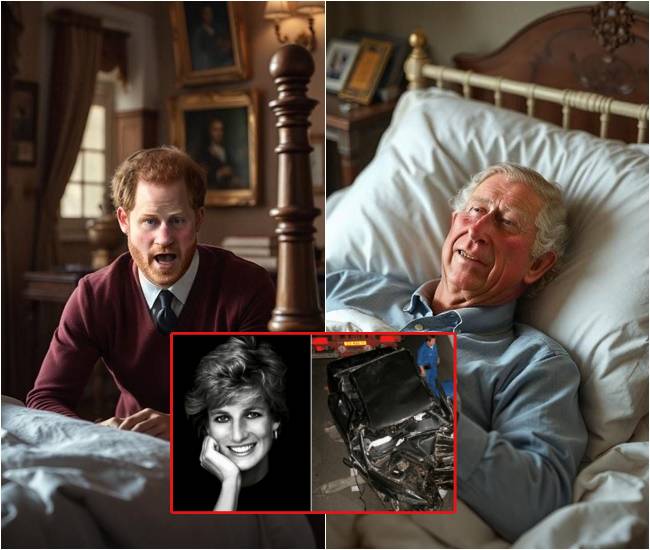
Diana’s death was one of the most shocking events in modern royal history, leading to an outpouring of grief from millions around the world. The circumstances of her passing—occurring in a high-speed car chase involving paparazzi—have long been the subject of speculation and conspiracy theories. For years, there have been claims that her death was orchestrated, fueled by the intense media scrutiny that surrounded her life. This has created a narrative that not only questioned the circumstances of the accident but also scrutinized the role of the royal family and the media in her tragic demise.
King Charles’s admission comes at a time when the royal family is striving to modernize its image and address its past mistakes. Acknowledging the complexities of Diana’s life and her tumultuous relationship with the royal family is a significant step toward healing. Many see this confession as an attempt to reconcile with the past, reflecting a shift in the monarchy’s approach to dealing with painful legacies.
In his remarks, King Charles expressed deep regret over the events that transpired before and after Diana’s death. He emphasized that the family, and indeed the institution of the monarchy, failed to adequately support her during her life. This candid admission resonates with a broader understanding of mental health and well-being, recognizing the pressures faced by individuals within the public eye. It highlights the need for compassion and understanding, especially within the royal family, which has often been criticized for its rigid adherence to tradition.
The King’s statement has drawn mixed reactions. Supporters of Diana and advocates for mental health have praised Charles for his honesty and willingness to confront difficult truths. They see it as an important acknowledgment of the struggles faced by Diana, who was often at odds with the media and the royal institution itself. On the other hand, some critics argue that this admission, while meaningful, comes too late and may not fully address the deep-seated issues related to her treatment by both the media and the monarchy.
Moreover, this revelation may prompt discussions about accountability and the role of the royal family in the lives of its members. It raises questions about how the monarchy can learn from its past to ensure that such tragedies are not repeated in the future. As the royal family continues to navigate its modern identity, acknowledging the complexities of its history will be crucial in rebuilding trust with the public.
As the news continues to unfold, it remains to be seen how this admission will affect the royal family’s standing in the eyes of the public. It may serve as a pivotal moment in their ongoing efforts to connect with a modern audience while honoring the legacy of Diana, a figure who continues to resonate with many. The impact of King Charles’s words is likely to echo through time, reminding future generations of the importance of empathy, understanding, and accountability within both the monarchy and society at large.
In conclusion, King Charles’s heartfelt acknowledgment of the circumstances surrounding Diana’s death is a significant moment for the monarchy. It opens the door to healing and reconciliation, not only for the royal family but also for those who continue to feel the effects of Diana’s tragic loss. As the monarchy seeks to redefine itself in a changing world, this admission serves as a crucial reminder of the complexities of life in the public eye and the enduring legacy of a beloved princess.