In a monumental shift within the British royal family, the long-anticipated transition of power has brought forth dramatic changes to the monarchy. For years, many speculated about the future of the monarchy and the roles that its members would play. Now, with Princess Anne ascending to the role of Queen, and Camilla losing her title, the kingdom has entered a new era, signaling a reshaping of royal traditions and expectations.
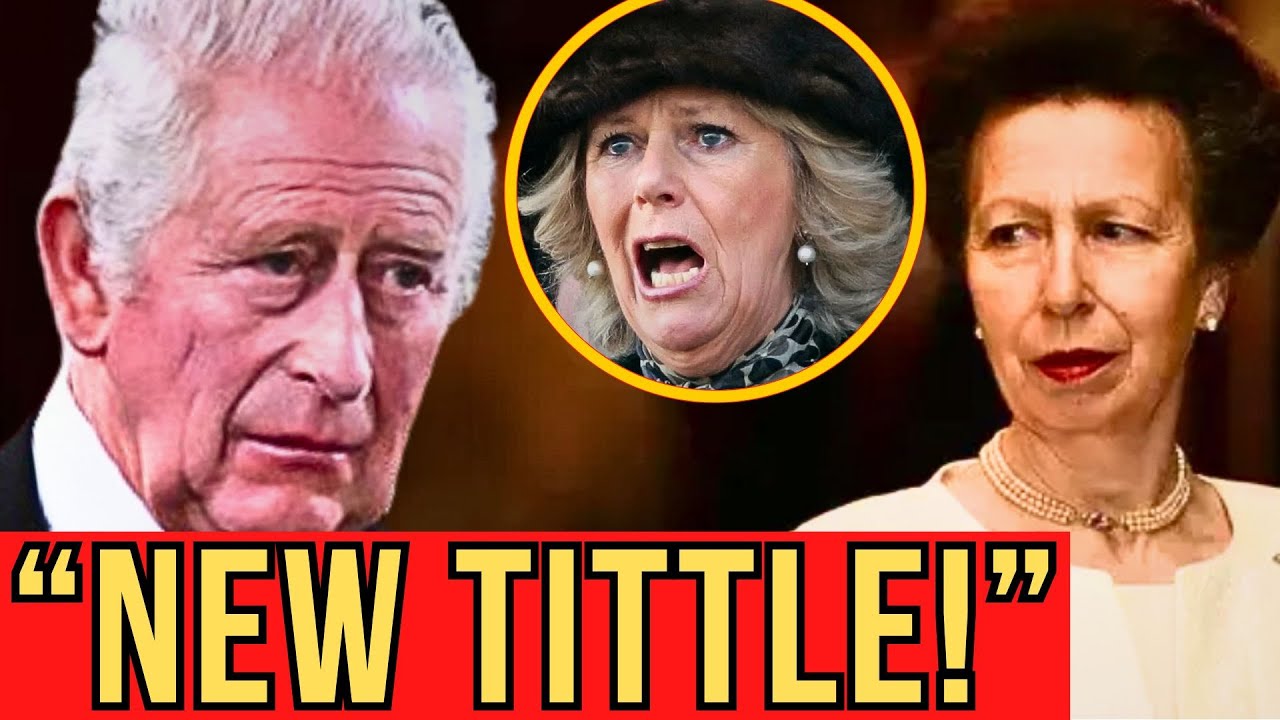
Princess Anne, known for her unwavering dedication to public service, has always been one of the most active and hardworking members of the royal family. Throughout her life, she has carved out a reputation as someone who is deeply committed to her royal duties, having championed numerous charitable causes, particularly in the fields of youth, sport, and equestrianism. Her rise to the throne, although unexpected by some, comes as a recognition of her strength, experience, and profound sense of duty to both the Crown and the people of the United Kingdom.
The decision for Princess Anne to become Queen marks the culmination of years of preparation, as she has consistently shown her capability to represent the monarchy with dignity and determination. Unlike the more traditional routes followed by other royal family members, Anne’s reign is expected to be one of modernization and reform. Her approach to the throne is likely to emphasize a more hands-on, practical style of leadership, focusing on public welfare and streamlining the royal family’s role in the modern world. She has long been known for her no-nonsense attitude and will undoubtedly bring this strength and pragmatism to her new role.
Meanwhile, the sudden loss of Camilla’s title has sent shockwaves through the palace. For many, Camilla, the Queen Consort, was a figurehead of stability for the monarchy, particularly following the tumultuous years of the 1990s and early 2000s. Her relationship with King Charles has been a central aspect of the royal narrative, with many believing her to be an essential partner to the king in his reign. However, with Princess Anne’s unexpected ascension, Camilla’s position within the royal family has been significantly altered, with her losing the title of Queen Consort in a dramatic break from tradition.
The change has sparked widespread debate within the royal community, as it challenges long-established norms about succession and the roles of royal spouses. Some view Princess Anne’s ascension and Camilla’s demotion as a reflection of the monarchy’s desire to adapt to changing times, while others feel it undermines the stability that Camilla represented as a trusted consort to King Charles. There have been whispers of tension between the two women, although no formal statements have been made about any rift. The decision to strip Camilla of her title may signal a broader shift in how the monarchy is redefined in the 21st century.
The implications of this new royal order are far-reaching. With Princess Anne now Queen, her ascension will likely alter the royal family’s future in profound ways. Her reign may be characterized by a more modern, accessible approach to monarchy, focusing on public service and moving the royal family away from the more ceremonial aspects that have defined its past. Anne’s deep understanding of the royal structure and her direct approach to governance could pave the way for a monarchy that is more connected with the public than ever before.
As the kingdom moves into this new era, the British monarchy will be faced with the challenges and opportunities of redefining its role in the modern world. Princess Anne’s rise to the throne, coupled with Camilla’s loss of title, signifies a profound shift that will undoubtedly shape the future of the monarchy for generations to come. Whether this change is seen as a necessary evolution or a controversial decision remains to be seen, but one thing is clear: the British royal family will never be the same again.