The Reason Why Princess Diana’s Casket Was Kept Closed During Her Funeral
Princess Diana, often referred to as the “People’s Princess,” captured the hearts of millions around the world. Her tragic death in a car crash in Paris on August 31, 1997, sent shockwaves globally. Her funeral, held on September 6, 1997, was one of the most-watched events in history, with an estimated 2.5 billion people tuning in. However, one detail stood out to many during the service: Diana’s casket remained closed. This decision was made for several reasons, balancing respect, dignity, and privacy for the beloved princess.
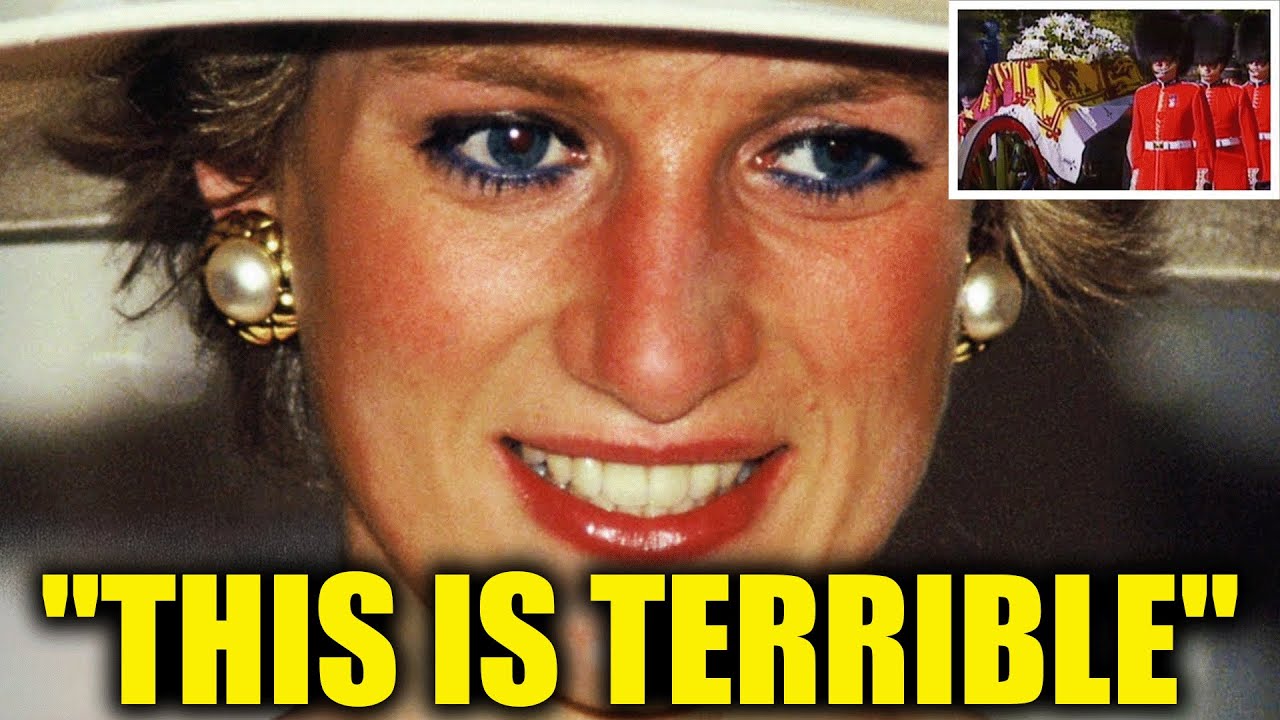
One primary reason for keeping the casket closed was the severity of Diana’s injuries sustained in the car crash. The impact of the collision caused significant trauma, making an open-casket presentation unsuitable. To preserve the dignity and memory of Diana, her family opted to keep the casket closed, allowing mourners to remember her as she had lived—a vibrant, compassionate, and graceful figure.
Another factor was the deeply personal nature of her passing. The royal family, already under intense scrutiny, wanted to maintain a sense of privacy during a profoundly public moment. Keeping the casket closed allowed her family, particularly her young sons, Prince William and Prince Harry, to grieve without additional intrusion into their pain. This choice shielded them from unnecessary distress and ensured the focus remained on celebrating Diana’s life rather than the tragic circumstances of her death.
The decision also adhered to royal protocol and tradition. Open caskets are not customary in British royal funerals, emphasizing decorum and respect. Princess Diana’s funeral followed these conventions while also incorporating personal touches that reflected her unique role as a royal and humanitarian figure. For example, her casket was draped with the royal standard and adorned with white lilies, symbolizing purity and her enduring legacy.
Additionally, the closed casket underscored the global sense of loss. It served as a solemn reminder of the tragedy, allowing people to project their own emotions and memories onto the ceremony. Her death united people in mourning, transcending borders and class divides, reflecting the profound impact she had during her lifetime.
Princess Diana’s funeral remains a poignant moment in modern history. The decision to keep her casket closed was a thoughtful one, balancing the need for respect, privacy, and tradition while allowing millions to bid farewell to an extraordinary woman whose legacy endures to this day.