Over the past few years, Meghan Markle has become one of the most talked-about figures in both American and British media, embodying a complex blend of celebrity, royalty, and social advocacy. Initially, Americans embraced her story as a symbol of modern royalty: a biracial, self-made actress from Los Angeles who married into the British royal family. Yet recently, there seems to be a noticeable shift in public opinion, with many Americans expressing fatigue over the constant media coverage of Meghan and her husband, Prince Harry. Some suggest that it’s time for the British to “retake” her, signaling growing frustration with Meghan’s ongoing media presence. But what’s behind this change in sentiment?
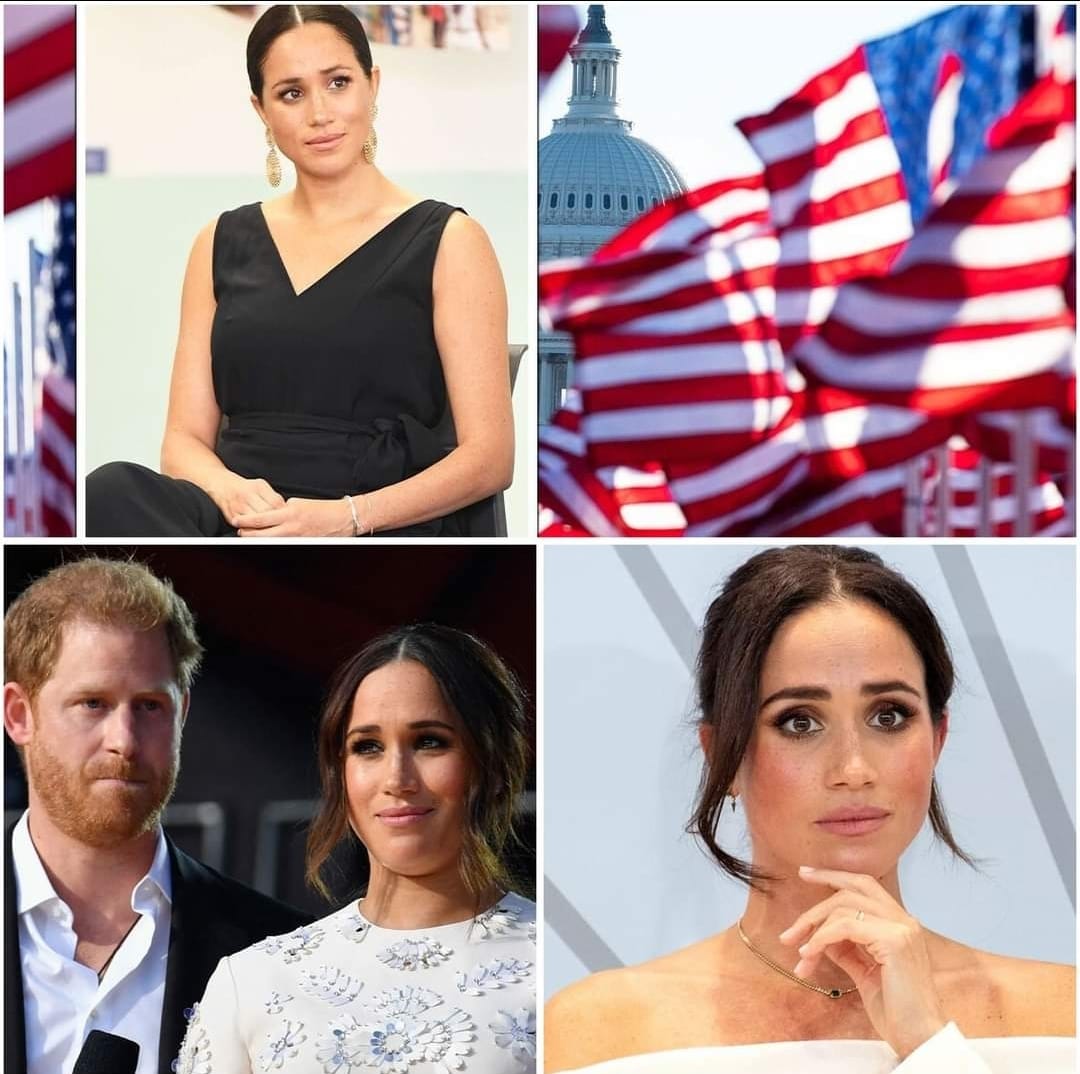
At first, Meghan and Harry’s decision to step back from royal duties in 2020 and relocate to California sparked curiosity and widespread sympathy. They spoke of escaping the constraints of royal life and pursuing a life of freedom and privacy. Yet, ironically, their time in America has been anything but private. Since moving, Meghan and Harry have frequently been in the media spotlight through high-profile interviews, a multi-million dollar Netflix deal, and numerous personal disclosures. This contradiction between their desire for privacy and their repeated media appearances has created a sense of fatigue among many Americans who initially empathized with their journey.
Another contributing factor is Meghan and Harry’s approach to public criticism, which has sometimes led to a perceived oversensitivity or defensiveness. Their numerous lawsuits against British tabloids, public critiques of both the royal family and the media, and candid revelations about personal issues have shifted some public perception. Americans generally favor resilience in public figures, and the couple’s perceived grievances with the media and the monarchy have begun to appear, to some, as complaints from a privileged position, alienating a portion of the public who initially admired them.
Additionally, many Americans feel inundated by what they see as “royal drama.” The royal family has always been a fascination in America, but the sheer volume of news centered on Meghan and Harry has led to “royal fatigue.” As the Sussexes signed major media contracts with platforms like Netflix and Spotify, it became apparent that they were not merely pursuing a quieter life but rather establishing a highly visible platform of their own. Some Americans now perceive this as an attempt to capitalize on their royal status rather than a genuine pursuit of privacy.
Finally, Meghan’s focus on political issues has contributed to the mixed feelings among the American public. As she has spoken openly about topics like voting rights and female empowerment, some Americans welcome her advocacy, while others see it as yet another layer of divisiveness in an already polarized political landscape. Unlike British royals who typically avoid politics, Meghan’s advocacy has sometimes placed her at odds with the traditional view of a royal family member, further alienating certain segments of the public.
As sentiment shifts, some in the U.S. are now suggesting it may be “time for the British to retake her,” reflecting a mix of fatigue, frustration, and an evolving view of her place in American culture. While Meghan still enjoys a solid base of supporters who value her outspokenness and activism, there’s no doubt that her once widespread American fan base has shifted in recent years. Whether she and Harry can reshape their public image in the U.S. remains uncertain, but it’s clear that both Americans and Brits continue to view Meghan Markle through markedly different lenses.