Texas Flood Victims REJECT Pope Leo XIV’s Help — What He Does Next Changes EVERYTHING
In a dramatic turn of events that has captured global attention, flood victims in Texas have reportedly rejected initial aid offered by Pope Leo XIV — but what followed next has stunned both critics and supporters worldwide.
The devastating floods that recently struck southern Texas left thousands homeless, entire communities underwater, and essential services crippled. While global aid poured in, it was Pope Leo XIV’s offer of spiritual and material support that drew particular attention — and controversy.
When the Vatican announced that the Pope would send emergency supplies, volunteers, and funding to assist displaced Texans, some local communities declined the help. According to several residents, their resistance wasn’t against the kindness of the gesture but rather due to concerns over religious overreach and political implications.
“We’re grateful for support, but we don’t want charity with strings attached,” said one local church leader. “We want to rebuild our homes with dignity, not be part of a global PR campaign.”
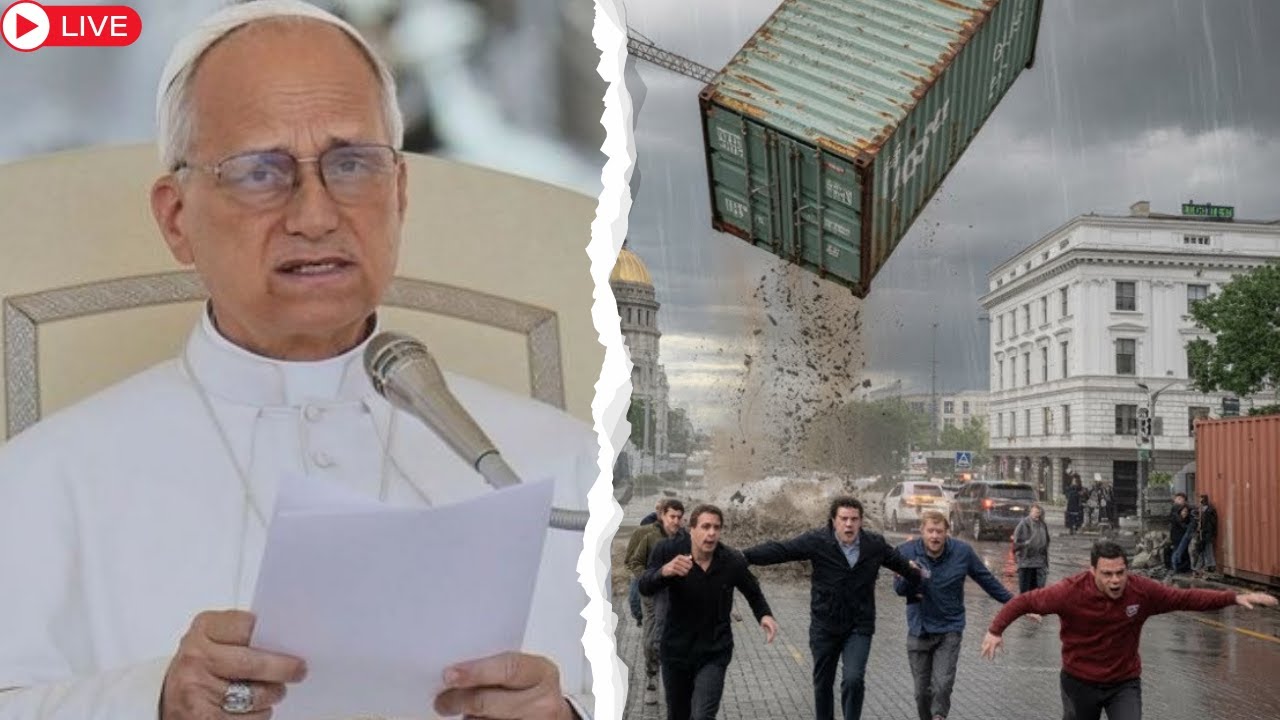
The Vatican was reportedly taken aback by the rejection. However, Pope Leo XIV’s response was anything but expected.
Instead of withdrawing or responding with disappointment, the Pope personally addressed the issue in a heartfelt video message broadcast worldwide.
“I did not come to convert. I came to comfort,” he said. “Whether Catholic, Protestant, Muslim, atheist — you are all my brothers and sisters in suffering. And if my presence causes division, then let my actions speak louder than my faith.”
What happened next shocked everyone.
The Pope ordered that all Vatican-allocated funds for Texas relief — estimated at over $25 million — be quietly transferred to local non-religious organizations already on the ground. No press coverage. No papal emblems. No public credit.
In a statement released by Vatican spokesperson Father Marco d’Angelo, the Pope made one request: “Let the aid come without my name, only through the hands that serve.”
Moved by this unprecedented humility, several community leaders who initially rejected Vatican assistance issued public apologies and invited collaboration.
Within days, Pope Leo’s anonymous funding helped reopen three community centers, supply clean water to over 12,000 families, and fund emergency shelter programs run by secular NGOs.
Online reactions were swift and emotional. On social media, #ThankYouPope trended across platforms, even as the Pope himself remained silent. Even prominent skeptics praised the move as “a masterclass in servant leadership.”
Political analysts are already calling this a turning point in modern papal diplomacy. Instead of withdrawing from a place where his presence was unwanted, Pope Leo XIV leaned into compassion, transforming rejection into restoration.
“True help,” he later said in a private address, “is not about being seen. It’s about seeing others.”
Today, as Texas slowly begins to rebuild, one thing is certain: what began as a moment of division became a global lesson in humility, grace, and the true meaning of charity.
And though his name may not appear on plaques or press releases, Pope Leo XIV’s silent handprint is now indelibly part of Texas’s path to healing.