“HE’S ONLY A BOY!” – Camilla Reportedly Furious as Prince Louis Awarded Coveted Title Ahead of Her Grandson
The British royal family has once again found itself at the center of controversy, this time involving a dispute over a prestigious title. Reports suggest that Queen Camilla is allegedly furious over young Prince Louis, the six-year-old son of Prince William and Princess Catherine, being awarded a coveted royal title that her own grandson was reportedly in line for. The situation has sparked debates about favoritism, tradition, and the future structure of the monarchy.
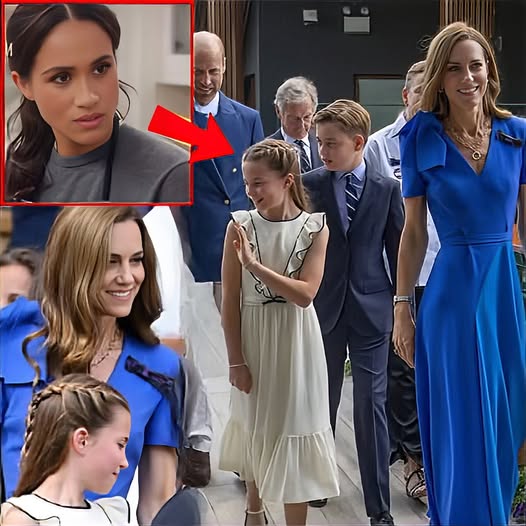
According to unnamed palace sources, Queen Camilla had hoped that one of her grandsons from her first marriage would receive the distinguished honor. Instead, the title was granted to Prince Louis, causing what insiders claim is a serious rift behind closed doors. While Buckingham Palace has not officially commented on the matter, media outlets have speculated that this could be a sign of deeper divisions within the royal household.
The title in question, although not publicly confirmed, is believed to carry significant historical weight and ceremonial importance. Royal watchers say that awarding such a title to Prince Louis—who is not the heir apparent but the second son of the future king—could be seen as an effort to reinforce the traditional Windsor bloodline. It may also be a strategic move by King Charles III to solidify the position of Prince William’s family as the future face of the monarchy.
Queen Camilla, who has worked diligently to support her husband’s reign, reportedly views the move as both personal and political. Her grandsons, born from her first marriage to Andrew Parker Bowles, are not blood relatives of the Windsor line, but have been embraced by Camilla and are occasionally seen at public events. The reported favoritism shown toward Prince Louis has allegedly led to feelings of exclusion and disappointment within Camilla’s extended family.
Public reaction to the story has been mixed. Some royal supporters argue that Prince Louis, as a direct descendant of the future king, is naturally more entitled to royal honors. Others believe the monarchy should modernize and become more inclusive, especially when it comes to family members closely connected to the reigning monarch, regardless of bloodline.
This event also highlights a recurring theme in the British royal family: the tension between tradition and change. While the monarchy remains a deeply symbolic institution, it is increasingly expected to adapt to the values of contemporary society. Decisions like this—whether ceremonial or not—are often interpreted as indicators of how progressive or conservative the monarchy is willing to be.
In conclusion, the reported clash between Queen Camilla and the royal institution over Prince Louis’s new title underscores ongoing challenges within the monarchy. Whether the story is entirely accurate or exaggerated by the press, it reflects broader conversations about fairness, representation, and legacy in a changing world. As the younger generation of royals steps into the spotlight, the balance between heritage and harmony will become increasingly crucial to the monarchy’s continued relevance.